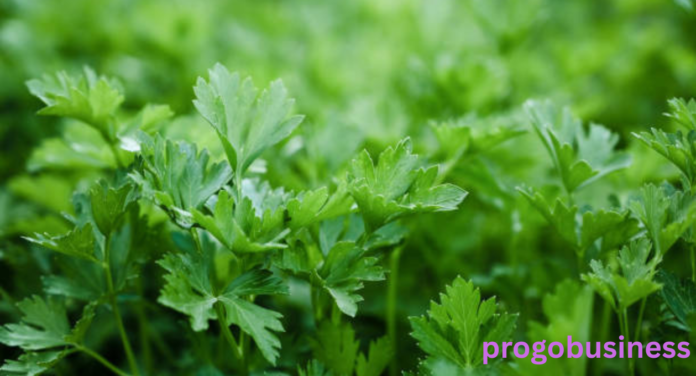
Cilantro Shortage, also known as coriander leaves, is a cornerstone ingredient in cuisines around the world. From fresh salsas to fragrant curries, its bright, citrusy flavor is hard to replace. Recently, however, many markets and restaurants have been grappling with an unexpected issue: a cilantro shortage. This disruption has sparked concern among chefs, home cooks, and suppliers alike.
What’s Causing the Cilantro Shortage?
The cilantro shortage isn’t the result of a single problem—it’s a combination of environmental, agricultural, and logistical challenges.
Weather Extremes
Cilantro is a delicate herb that thrives in mild temperatures. Sudden heat waves, unexpected frosts, and irregular rainfall patterns have significantly impacted crop yields. In major growing regions, unstable weather has caused plants to bolt prematurely, reducing both quality and quantity.
Supply Chain Disruptions
Global supply chains are still recovering from recent disruptions. Transportation delays, rising fuel costs, and labor shortages have made it harder to move fresh produce efficiently. Since cilantro has a short shelf life, even minor delays can result in large losses.
Increased Demand
Interestingly, demand for fresh herbs like cilantro has grown in recent years. As more people cook at home and explore global cuisines, cilantro has become a staple in more households. This surge in demand has put additional pressure on already strained supply systems.
How the Shortage Is Affecting Consumers
The impact of the cilantro shortage is being felt at multiple levels, from grocery stores to restaurants.
Rising Prices
One of the most noticeable effects is the increase in price. What was once an inexpensive bunch of herbs is now significantly more costly in some areas. For restaurants that rely heavily on cilantro, this has meant adjusting menus or absorbing higher costs.
Limited Availability
In some regions, cilantro is simply hard to find. Grocery stores may run out quickly, and deliveries are less consistent. This unpredictability can be frustrating for consumers who rely on it for everyday cooking.
Recipe Adjustments
Home cooks and chefs alike are being forced to get creative. While substitutes like parsley or basil can mimic some aspects of cilantro, they don’t fully replicate its unique flavor. As a result, many dishes are being reimagined or temporarily altered.
How Farmers and Suppliers Are Responding
The agricultural sector is actively working to address the shortage, though solutions take time.
Diversifying Growing Regions
Farmers are exploring new regions with more stable climates to grow cilantro. By spreading production across different areas, they can reduce the risk of total crop failure due to localized weather events.
Improved Farming Techniques
Innovations such as greenhouse cultivation and controlled-environment agriculture are helping stabilize production. These methods allow farmers to better regulate temperature and humidity, ensuring more consistent yields.
Strengthening Supply Chains
Suppliers are investing in better logistics and storage systems to minimize waste. Faster transportation and improved refrigeration can help extend cilantro’s shelf life and reduce losses during transit.
What You Can Do as a Consumer
While the shortage may be out of your control, there are a few ways you can adapt.
Use Alternatives Thoughtfully
If cilantro isn’t available, consider combining herbs like parsley, mint, and a squeeze of lime to approximate its flavor. While not identical, this blend can work well in many recipes.
Grow Your Own
Cilantro is relatively easy to grow at home, even in small spaces. With a bit of sunlight and regular watering, you can maintain a steady supply right from your kitchen or balcony.
Reduce Waste
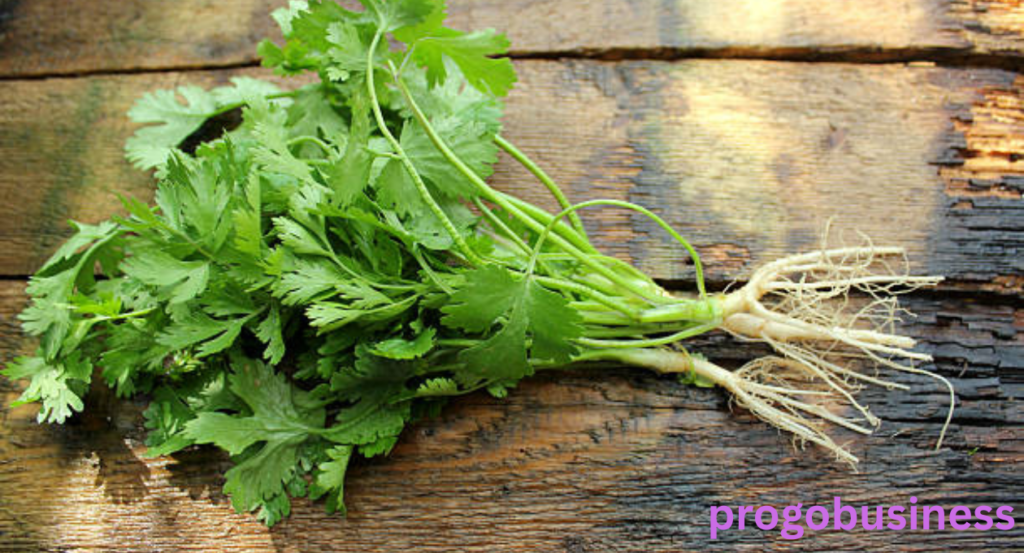
Since cilantro is more valuable during a shortage, try to use the entire bunch. Stems are flavorful and can be used in cooking, while proper storage can extend freshness.
Conclusion
The cilantro shortage is a clear example of how interconnected and sensitive our food systems are. A mix of environmental challenges, supply chain disruptions, and rising demand has created a situation that affects everyone—from farmers to everyday consumers. While frustrating, it also opens the door to more sustainable practices, creative cooking, and greater awareness of where our food comes from. By adapting and staying informed, both producers and consumers can better navigate such disruptions in the future.
FAQs
Why is cilantro suddenly hard to find?
Cilantro shortages are mainly caused by extreme weather conditions, supply chain disruptions, and increased demand, all of which reduce availability in markets.
How long will the cilantro shortage last?
The duration depends on factors like weather stability and improvements in supply chains. In most cases, shortages are temporary but may last several weeks or months.
Can I substitute cilantro in recipes?
Yes, you can use alternatives like parsley, basil, or a mix of herbs with lime juice. However, the flavor will not be exactly the same.
Is it easy to grow cilantro at home?
Yes, cilantro grows quickly and requires minimal care. With proper sunlight and watering, you can harvest it within a few weeks.
Why is cilantro more expensive now?
Reduced supply combined with steady or increased demand leads to higher prices, especially for fresh herbs with short shelf lives.

