In recent months, rumors and reports of a possible Dr Pepper shortage have been circulating across social media and news outlets. Fans of the iconic soft drink have expressed concern after noticing empty shelves or limited availability in certain stores. While not a nationwide crisis, these disruptions have sparked curiosity about what’s really going on behind the scenes.
Dr Pepper, owned by Keurig Dr Pepper, is one of the most popular soft drinks in the United States. With its unique blend of 23 flavors, it has maintained a loyal fan base for decades. So, when availability dips—even temporarily—it quickly becomes noticeable.
Causes of the Shortage
Supply Chain Disruptions
One of the main reasons behind the shortage is ongoing supply chain challenges. From transportation delays to shortages of raw materials like aluminum for cans and plastic for bottles, beverage companies have faced multiple obstacles. These issues can slow down production and distribution, leading to gaps on store shelves.
Additionally, labor shortages in manufacturing and logistics sectors have added pressure. Fewer workers mean slower production lines and delayed deliveries, which directly affect product availability.
Increased Demand
Another key factor is a surge in consumer demand. Soft drinks, including Dr Pepper, have seen fluctuating demand patterns in recent years. During certain periods—such as holidays, heatwaves, or promotional campaigns—sales can spike significantly.
In some cases, regional preferences also play a role. Dr Pepper has particularly strong popularity in parts of the southern United States, where demand can outpace supply more easily.
Product Prioritization
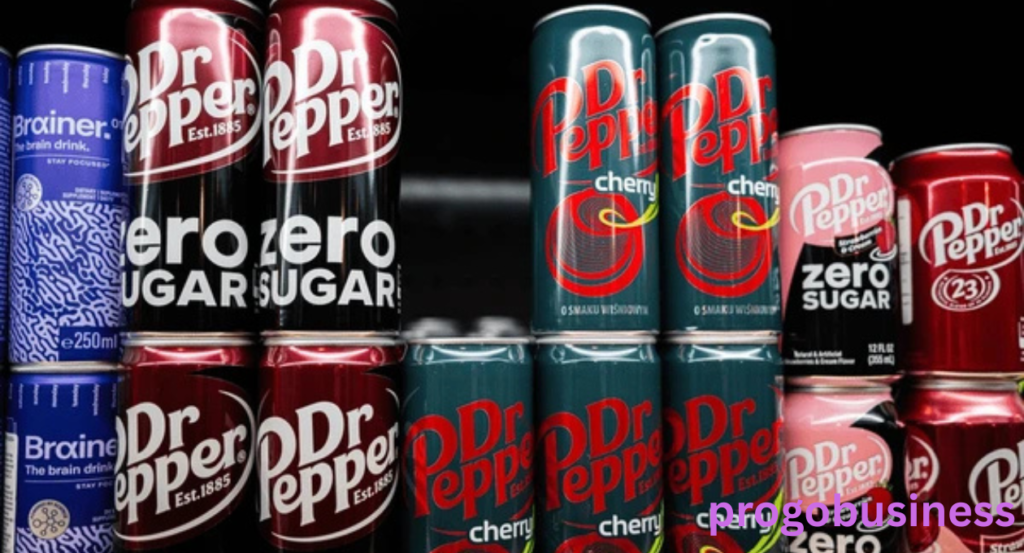
Companies like Keurig Dr Pepper often prioritize their most popular product sizes and varieties during times of constraint. This means that while standard Dr Pepper cans might still be available, less common versions—like flavored variants or specialty packaging—may temporarily disappear from shelves.
Regional Variations in Availability
Not a Nationwide Shortage
It’s important to note that the so-called “shortage” is not uniform across the country. Some regions may experience limited stock, while others continue to have steady supply. This uneven distribution is often due to logistical factors such as warehouse locations, transportation routes, and local demand.
Consumers in urban areas might see quicker restocking compared to rural regions, where deliveries may be less frequent.
Store-Level Factors
Sometimes, what appears to be a shortage is actually a store-level issue. Individual retailers may face delays in receiving shipments or may simply run out of stock faster due to high demand. This can create the impression of a widespread shortage even when overall production remains stable.
How Long Will It Last?
Temporary Disruptions
Most experts agree that these shortages are temporary. As supply chains stabilize and production catches up with demand, availability is expected to improve. Beverage companies have been actively working to resolve these challenges by increasing production capacity and improving logistics.
What Consumers Can Do
If you’re having trouble finding Dr Pepper, consider checking different stores or trying alternative packaging sizes. Sometimes, switching from cans to bottles—or vice versa—can make a difference. Staying flexible can help you avoid frustration during temporary shortages.
The Bigger Picture
A Sign of Broader Trends
The Dr Pepper shortage is not an isolated. Many industries, especially food and beverage, have faced similar issues in recent years. These disruptions highlight how interconnected global supply chains are—and how even small hiccups can ripple out to affect everyday products.
Brand Loyalty Remains Strong
Despite these challenges, Dr Pepper’s popularity hasn’t wavered. Loyal fans continue to seek it out, and the brand remains a staple in American households. Temporary shortages may cause inconvenience, but they also underscore just how beloved the drink truly is.
Conclusion
While the idea of a Dr Pepper shortage may sound alarming, the reality is far less dramatic. The situation is largely driven by temporary supply chain issues, increased demand, and distribution challenges. As these factors improve, so too will availability.
For now, fans can rest assured that Dr Pepper isn’t going anywhere—it’s just taking a brief detour on its journey from factory to fridge.
Faqs
Is there really a Dr Pepper shortage?
Not exactly a full shortage. It’s more of a temporary supply issue in certain regions where shelves may be empty or limited due to distribution delays.
Why is Dr Pepper hard to find in some stores?
The main reasons include supply chain disruptions, high demand, and packaging shortages (like aluminum cans). These factors can affect how quickly stores get restocked.
Who makes Dr Pepper?
Dr Pepper is produced by Keurig Dr Pepper, a major beverage company responsible for its manufacturing and distribution.
Are all Dr Pepper products affected?
No. Usually, only certain flavors, sizes, or packaging types are harder to find. Regular versions are often still available.
Is this a nationwide problem?
No, it varies by location. Some areas have normal supply, while others experience temporary shortages depending on demand and delivery schedules.

